
Do I Need a Dehumidifier - Signs to Look For
Brandix Soft |
GOOD STOCK OF MONOBLOC AC UNITS AND EVAP COOLERS!


Humidity tends to increase during colder months, particularly in winter. You may observe condensation on windows, a musty odour in certain rooms, or damp patches on walls and ceilings. In such situations, a dehumidifier is the best solution for controlling humidity.
A dehumidifier helps prevent excessive moisture in the air, helping to sustain a healthy environment in your bathroom or bedroom. Ideally, relative humidity (RH) should be between 45% and 50%. While a dehumidifier helps prevent mould by lowering humidity, it cannot eliminate existing mould.

Dehumidifiers are electrical appliances designed to reduce indoor humidity, thereby creating a healthier indoor environment. The key types of dehumidifiers are:
The refrigerant-based models are the most common dehumidifiers in the UK. A cold coil system is used in these dehumidifiers to extract moisture from the air by condensation. Their fan extracts humid air and moves it across cold coils to remove the moisture. Water vapour condenses into droplets when the air is cooled, which collect in a tank or outlet hose and are discharged via drainage. Afterwards, the dried air is reheated before being released back into the room. Compressor dehumidifiers are the best option for everyday home use.
Rather than relying on refrigeration, a desiccant dehumidifier uses a chemical drying agent to absorb moisture from the air, thereby controlling humidity. These dehumidifiers use hygroscopic materials, such as silica gel-coated rotors, to remove water vapour from the air. A desiccant dehumidifier can work consistently at low temperatures. This ongoing performance makes them well-suited for garages, conservatories, boats, and other cool, moist settings.
Whole-house dehumidifiers are integrated into a central heating and ventilation system. These units regulate humidity throughout the property. Like refrigerants, the components in this dehumidifier work in the same manner, just on a larger scale. A whole-house dehumidifier can control moisture levels across multiple rooms at once. They are the best choice for poor ventilation or a house with health concerns about mould. This humidifier type is useful for large homes and can be installed in lofts or basements.
Mini or portable dehumidifiers are compact units designed for small or confined spaces. They absorb moisture from the air using thermoelectric (Peltier) technology. Due to their small size, they are highly convenient for travel or occasional use. Mini or portable dehumidifiers typically cover areas of 100 to 300 square feet.
- Product is backordered and will ship as soon as it is back in stock.
When a dehumidifier is needed, there are many signs of excessive humidity in your home, including:
Using a dehumidifier can improve indoor air quality, lower excessive humidity, and enhance overall comfort.
Using a dehumidifier correctly ensures maximum efficiency and performance:
The centre of the room, the best place to position a dehumidifier, ensures the air circulates properly around the unit. To maximise the unit's potential, place it near the moisture source if the space is large. When using a dehumidifier, close the windows and doors during operation and do not place it near furniture or walls.
After placing the dehumidifier, check the unit's settings by turning it on. The humidity level of your home should be between 30% and 50%. Using a hygrometer or a dehumidifier's LED screen, you can check the humidity level. If the dehumidifier has an automatic setting, set it to the highest level and let it adjust as the air dries.
To prevent dust buildup, clean the dehumidifier filters every 6 months. A quick vacuum or wash with warm water and detergent keeps the filter in top condition. Be sure to regularly empty the water tank and keep the dehumidifier coils clean. You can use an air mover to maximise performance and speed up the dehumidifier's drying process.
The number of dehumidifiers you need depends on your home's size. If you live in a large home, you would need a more powerful dehumidifier. The choice of a dehumidifier can also be based on the tasks you regularly do in your home. Most dehumidifiers can handle moisture from cooking and showering.
You may need a powerful unit if you:
All of the above increase humidity, and removing them requires a power unit. These household jobs and circumstances increase humidity, so they require a more powerful unit.
Before purchasing a dehumidifier, one must consider the following things:
If you are in the UK, look for UK-manufactured dehumidifiers designed to suit the ever-changing climate. In Southern and Central Europe, where temperatures are hot and humidity is high, Chinese-manufactured dehumidifiers are often the best option.
Before buying dehumidifiers, determine which type you want. Dehumidifiers are designed for specific areas. If you live in a cold area, you would need a dehumidifier with a compressor. On the other hand, desiccant dehumidifiers are a strong option if you live in a hot climate.
You need to ensure the unit matches the room size and moisture level. Underpowered units may struggle to reduce humidity effectively.
For the UK home, a dehumidifier with a capacity below 2 litres will not be sufficient. A dehumidifier with a capacity of more than 2 litres can extract too much water.
A dehumidifier with a manual control system needs constant attention because the settings change multiple times a day. An automatic system adjusts itself by checking the air moisture level.
Dehumidifiers made with low-quality materials are excessively cheap and inefficient. They can break quickly and also increase your electricity bill in no time.
If placing the unit in a bedroom or living area, consider quieter models.
A dehumidifier plays a significant role in enhancing indoor air quality and shielding your space from damp-related damage. By learning about the various types of dehumidifiers and how they work, you can easily eliminate excess moisture from your home.
A well-chosen dehumidifier offers lasting perks, from preventing condensation and mould growth to improving comfort and supporting respiratory health. Evaluate your environment thoroughly, choose the appropriate capacity, and ensure proper maintenance to maintain a dry, safe, and comfortable home all year round.
Brandix Soft |

Brandix Soft |

Brandix Soft |

Brandix Soft |

As soon as winter starts, most people want to have a comfortable home to enjoy the cold weather. A heater is an important part of everyone's life during the winter...
Brandix Soft |

Brandix Soft |

With winter close at hand, if a heater is not functioning properly, it can make your home a cold space. While an option you can consider purchasing a new heater,...
Brandix Soft |
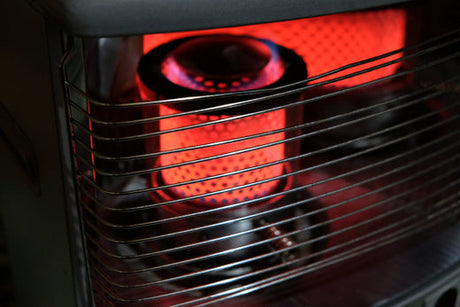
Gas heaters have become a crucial component of several residences, providing an economical heating solution. They outshine electric heating systems by warming premises swiftly and effectively, making them more desirable...
Brandix Soft |