


Do I Need a Dehumidifier - Signs to Look For
Brandix Soft |
GOOD STOCK OF MONOBLOC AC UNITS AND EVAP COOLERS!


The quality of our indoor air has a far greater impact on our health than most people believe. Although we often think about temperature, we rarely think about humidity or the quantity of moisture in the air.
Excessive indoor humidity provides a growing environment for mould and dust mites, as well as other allergic airborne irritants. This can eventually affect your breathing, trigger allergies, and result in uncomfortable living conditions.
A dehumidifier helps to manage moisture in your home and maintain a healthy moisture level. But how does it help our well-being?
Let’s take a look at the actual benefits, and when a dehumidifier has the greatest impact.

Humidity isn’t purely about comfort it directly affects your respiratory system and skin and can significantly alter your indoor environment. This is why experts typically recommend that indoor humidity be kept between 30% and 50%.
The point is balance, not the absence of moisture. When humidity is higher than the optimal range, several biological triggers begin to increase.
A dehumidifier functions by pulling excess moisture from the atmosphere. It draws in damp air, removes moisture via condensation, and returns drier air to the room. This simple action can decrease the conditions that cause dangerous irritants to flourish.
Now, let’s examine the health benefits in detail.
Humid air also feels heavier, and may be uncomfortable to breathe especially for people with asthma, chronic obstructive pulmonary disease (COPD), or chronic sinus problems.
By lowering humidity, a dehumidifier aids in:
It is not a medication, but it can help with respiratory comfort.
One of the essential health benefits a dehumidifier serves is controlling allergens.
Dust mites prefer to live in an environment with humidity of 60% or higher. They struggle to remain stable when the humidity falls below 50%. Because they are a house mite, dust mites are a major indoor allergen, and reducing humidity can greatly reduce exposure.
Mould thrives in humid areas such as the bathroom, basement and inadequately ventilated bedrooms. Mould spores can cause:
By reducing moisture in the room, a dehumidifier inhibits the growth of mould from the beginning.
Particles stay in the air longer with added humidity. Less moist air can decrease the amount of irritants.
Moist air can worsen symptoms in people with asthma.
High humidity can:
A dehumidifier can reduce these environmental triggers and contribute to a more constant indoor environment. It works best as part of a broader asthma management plan.
Persistent dampness indoors can contribute to symptoms sometimes referred to as “sick building” effects, including:
These signs are typically associated with insufficient airflow but high humidity. By removing moisture, a dehumidifier improves overall indoor air quality.
Sleeping in a humid room feels uncomfortable and sticky. The high moisture may also:
Even humidity levels help ensure a cooler, more refreshing sleep is achieved more comfortably.
A number of the pests you’ll find around your home are drawn to dampness.
A less humid environment discourages these pests, which in turn contributes to a cleaner, healthier home.
You don’t need specialised equipment to notice moisture problems. Some of the signs include:
If these are present, humidity levels may be too high.
Yes, you can over-utilise a dehumidifier if it extracts excess moisture from the air. Dehumidifiers are meant to reduce the humidity, not remove all of the moisture from the air. If indoor humidity lies below 30%, it can begin to cause discomfort rather than alleviate it.
Too little moisture (dry air) may cause:
Very dry air can also dry out the natural moisture in your airways that traps dust and other airborne particles. For better results, you should try to maintain an indoor humidity between 30 and 50%. A basic humidity gauge can help ensure you maintain that balance, and your dehumidifier will be more beneficial for your health by not causing other problems.
While better humidity control can benefit most homes, a dehumidifier may be particularly useful for some individuals and types of living spaces. It can be really helpful for:
You may also find relief from a dehumidifier if you find that your symptoms, such as a stuffy nose, coughing, sneezing, or headaches, get worse when you’re home but get better once you leave it. A high level of humidity indoors can be a silent trigger.
The best dehumidifiers keep your home comfortable and healthy. A quality dehumidifier can help you reduce your excess moisture problem when used properly. It contributes to a healthier indoor environment by improving indoor air quality by reducing moisture, limiting mould growth, and keeping the air fresh and clean.
However, balance is key. Leaving a dehumidifier running continuously also has drawbacks—the air may become too dry, which can cause problems. The intention is not to eliminate all moisture, but to maintain an indoor humidity level of 30% to 50%.
You can make sure your dehumidifier works for you and enhances comfort without causing problems if you pay attention to how your home feels and use a basic humidity monitor.
Brandix Soft |

Brandix Soft |

Brandix Soft |

Brandix Soft |

As soon as winter starts, most people want to have a comfortable home to enjoy the cold weather. A heater is an important part of everyone's life during the winter...
Brandix Soft |

Brandix Soft |

With winter close at hand, if a heater is not functioning properly, it can make your home a cold space. While an option you can consider purchasing a new heater,...
Brandix Soft |
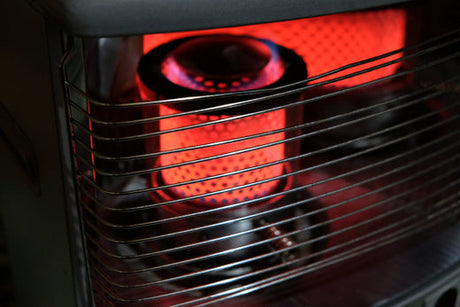
Gas heaters have become a crucial component of several residences, providing an economical heating solution. They outshine electric heating systems by warming premises swiftly and effectively, making them more desirable...
Brandix Soft |