


Do I Need a Dehumidifier - Signs to Look For
Brandix Soft |
GOOD STOCK OF MONOBLOC AC UNITS AND EVAP COOLERS!


Humidity sounds harmless. It’s just air with a bit of moisture, right? Until your windows start sweating, your walls feel damp, or your skin cracks like you’ve been living in a desert. Indoor humidity that’s too high or too low can seriously affect your comfort, health, and even your home itself. Excess moisture encourages mould, bacteria, and allergens, while dry air can trigger respiratory issues, irritate skin, and worsen asthma symptoms.
That’s where dehumidifiers and humidifiers come in. Both devices are designed to control indoor moisture levels, but they work in completely opposite ways. So how do you know which one you actually need? In this blog, we’ll break down the key differences between a humidifier and a dehumidifier, explain their pros and cons, and help you decide which is right for your space.

A humidifier is a device that adds moisture to the air, which helps in the winter months when heating systems can make the indoor air dry. Dry air can cause a dry throat, skin irritations, and respiratory issues. Using a humidifier can help prevent these symptoms and keep your indoor environment healthy and pleasant.
When humidity is low (Typically Below 30% RH) you may need to use humidifier to keep your home’s humidity levels optimum, here are some of the common symptoms and signs that can prompt the use of a humidifier.
Symptoms of dry air: Irritated nasal passages, nosebleeds, chapped lips, dry skin, dry cough, flu symptoms, exacerbated cold, respiratory issues like bronchitis or asthma.
Impact on your home: Cracking and shrinking of wooden furniture, floors, musical instruments, picture frames.
Common seasons/situations: Winter is the common season. This season, the heating system significantly dries indoor air.
A dehumidifier is an electrical device that reduces the humidity in your home. High humidity can cause dust mites, mould growth, and dampness, which can trigger allergies and affect our health. To avoid these, removing excess moisture from the air is important.
A dehumidifier works by drawing air in and passing it through a series of cold coils which condenses and collects the moisture from the air. The air is then reheated before being returned to the room.
When humidity is high (typically above 50% RH), you may need to use a dehumidifier to restore balanced indoor conditions. Here are some common signs and symptoms that indicate excess moisture in your home and the need for a dehumidifier.
Symptoms of high humidity: A clammy feeling in the air, dampness, fatigue, muscle cramps, and difficulty breathing, especially for people with asthma or allergies.
Impact on your home: Condensation on pipes, windows, or other cool surfaces. Mould or mildew growth on ceilings, walls, clothes, or upholstery. Peeling wallpaper or paint. Damage to wooden structures due to warping or swelling. Increase in allergens and dust mites. Pest problems (silverfish, cockroaches, and moths thrive in humid environments.
Common seasons/situations: The common season is summer. Humid, warm outdoor air, crawl spaces, bathrooms, laundry rooms, or any other place that is prone to dampness. In the UK, dehumidifiers help to prevent damp conditions that are common after leakage or minor flooding.
It is important to understand the difference between a humidifier and a dehumidifier to maintain a comfortable indoor environment. These two devices play a major role in regulating the humidity level of our homes, and both work differently. Below is a comprehensive comparison of humidifiers and dehumidifiers to help you determine which one to purchase based on your needs.
| Features | Humidifier | Dehumidifier |
|---|---|---|
| Purpose | Increases the humidity (adds moisture) | Reduces humidity (removes moisture) |
| Best for | Winter months, dry climate | Humid climates, summer months |
| Health Benefits | Helps in relieving dry skin, allergies, sinus issues, and cold symptoms | May help prevent dust mites, mould spores, and musty odours |
| Common Uses | Homes with dry air: preserving wooden furniture | High-humidity areas are prone to mildew and mould |
| Types | Fan-powered, steam, evaporative, bypass | - |
| Ideal Humidity Range | 30–50% | 30–50% |
| Energy Consumption | Moderate | Moderate |
| Market Availability | Yes | Yes |
| Effect on Temperature | Can slightly warm air | Can slightly cool the air |
Both humidifier and dehumidifiers have their uses. Both are required when the weather changes and affects the relative humidity. Consider using both to maintain a safe, comfortable humidity level in your home and to provide purified air. Both protect us from health issues related to our air quality.
At Aircare appliances, we offer top of the line humidifiers and dehumidifiers online. Explore our products now!
Brandix Soft |

Brandix Soft |

Brandix Soft |

Brandix Soft |

As soon as winter starts, most people want to have a comfortable home to enjoy the cold weather. A heater is an important part of everyone's life during the winter...
Brandix Soft |

Brandix Soft |

With winter close at hand, if a heater is not functioning properly, it can make your home a cold space. While an option you can consider purchasing a new heater,...
Brandix Soft |
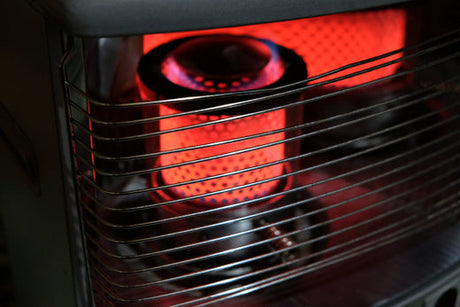
Gas heaters have become a crucial component of several residences, providing an economical heating solution. They outshine electric heating systems by warming premises swiftly and effectively, making them more desirable...
Brandix Soft |