


Do I Need a Dehumidifier - Signs to Look For
Brandix Soft |
GOOD STOCK OF MONOBLOC AC UNITS AND EVAP COOLERS!


Do you struggle with damp rooms or musty smells at home? These are signs that there is too much moisture in your home. This extra dampness can damage your house and may affect your health. A dehumidifier helps remove moisture from the air, stops mould from growing, and keeps your home fresh and comfortable. A dehumidifier is a perfect solution, but is it the right one for you? Let’s discuss.

Below are simple and free tips to help you choose the right dehumidifier for your home:
The number one thing to consider is room size. A small dehumidifier would work in a small bedroom, but it will not work in a larger space, like a living room. Review the square footage and match it to the dehumidifier's capacity. Choosing the correct size helps the room dry faster and allows the dehumidifier to work more efficiently.
Dehumidifiers store water in a tank. Models with smaller tanks will need to be emptied often. A model with a larger tank will work well in busy rooms and those with a lot of moisture, and will force you to empty the tank less frequently.
Dehumidifiers commonly run for several hours a day. Choose models that consume less electricity. This will help lower your energy bills and is also better for the environment. Energy-efficient models are better suited to extended use.
Dehumidifiers can be noisy. If you intend to use it in a bedroom or an office, it is good to check the noise level in advance. Quiet models create a more comfortable experience. If it's quiet, you can feel relaxed or focused without disturbances.
Some dehumidifiers have additional features, including auto shut-off, filters, and humidity sensors. These features can make life easier, but they aren’t essential for the dehumidifier to work well. You should focus most of your time on your basic needs. Additional features are beneficial; just do not let them complicate your decision.
Set up a budget and compare different models. Also, do not just choose the lowest-priced option. Making sure the item comes with a warranty helps protect your purchase and gives you peace of mind.
The table below provides general guidance on selecting the appropriate dehumidifier capacity based on the number of bedrooms and the severity of moisture levels within the property.
| Condition | Up to 5 Bedrooms | Up to 6 Bedrooms | Up to 7 Bedrooms | Up to 8 Bedrooms |
|---|---|---|---|---|
| Maintain 50%-60% humidity. Minor mould or condensation is possible. | 20L | 20-25L | 25L | 30-35L |
| Moderately damp, 60%-70% relative humidity, with musty odours, regular mould, and condensation. | 25L | 25-30L | 30L | 30-35L |
| Very damp, 70%-80% relative humidity, consistently cold home, with mould and condensation in several rooms, affecting drying and washing. | 25L x 2 | 30L x 2 | 30L x 2 | 35L x 2 |
| Wet, 80%-100% humidity, with condensation on walls, mould on furniture and clothes, affecting drying and washing. | 25L x 2 | 30L x 2 | 30L x 3 | 35L x 3 |
Dehumidifiers operate using different mechanisms to remove excess moisture from the air, and understanding these working principles helps in selecting the most effective system for specific environments.
These cool down the incoming air using chilled coils, causing moisture to condense into water. The dried air is reheated and released back into the space. Best for normal indoor temperatures.
Rather than cooling air, these systems use moisture-absorbing materials to extract water vapour. They perform reliably in low-temperature or unheated spaces.
This type uses a temperature differential created by a Peltier module to condense moisture. They operate quietly but are only effective in very small, low-humidity areas.
These systems absorb moisture into a liquid solution, which is later heated to release the water. They are mainly used in industrial or specialised moisture-control applications.
By combining refrigeration and desiccant technologies, hybrid dehumidifiers adjust their operation based on environmental conditions, delivering consistent performance across a wider temperature range.
Pick a dehumidifier that matches the size of your room, meets your needs, and is easy to use. If you take the time to pick the right dehumidifier, you will have a dry, comfortable, and healthy home. A well-selected dehumidifier makes daily life fresher and easier.
Brandix Soft |

Brandix Soft |

Brandix Soft |

Brandix Soft |

As soon as winter starts, most people want to have a comfortable home to enjoy the cold weather. A heater is an important part of everyone's life during the winter...
Brandix Soft |

Brandix Soft |

With winter close at hand, if a heater is not functioning properly, it can make your home a cold space. While an option you can consider purchasing a new heater,...
Brandix Soft |
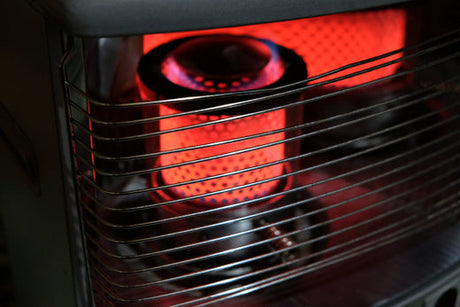
Gas heaters have become a crucial component of several residences, providing an economical heating solution. They outshine electric heating systems by warming premises swiftly and effectively, making them more desirable...
Brandix Soft |