


Do I Need a Dehumidifier - Signs to Look For
Brandix Soft |
GOOD STOCK OF MONOBLOC AC UNITS AND EVAP COOLERS!


To maintain an air conditioner, clean or replace the air filters, keep the outdoor unit clear, check airflow and vents, clean the coils, inspect the drainage line, and arrange professional servicing once a year. Regular AC maintenance improves cooling performance, lowers energy bills, and helps prevent breakdowns.
An air conditioner can make your home feel comfortable during warm weather, but only when it is looked after properly. Many people use their air conditioning system every day and forget that it needs regular care, just like a boiler, car or any other appliance that works hard in the background while everyone pretends machines never get tired.
If you have ever noticed weak airflow, strange noises, warm air coming from the vents, higher electricity bills or unpleasant smells when the unit is running, poor maintenance could be the reason. A neglected air conditioner has to work harder than necessary, which means it uses more energy, cools less effectively and becomes more likely to break down when you need it most.
Learning how to maintenance air conditioner systems properly is not complicated. With a few simple checks and regular cleaning habits, you can keep your unit running smoothly, reduce repair costs and enjoy better indoor comfort. Whether you have a split system, portable AC unit, ducted air conditioning or a wall-mounted system, the basic principles of AC maintenance remain very similar.
This guide explains how to maintain an air conditioner in detail, how often maintenance air conditioner checks should be carried out, which tasks you can safely do yourself, and when it is better to call a professional. If you want cleaner air, stronger cooling and fewer expensive surprises, this is where proper air conditioning maintenance starts.

Air conditioners are often expected to perform perfectly with almost no attention. People switch them on, enjoy the cool air, then act shocked when the system struggles after months of dust, blocked filters and ignored warning signs. A modern miracle, clearly.
Regular maintenance air conditioner care helps your system work more efficiently. When filters, coils and vents are clean, air can move freely through the unit. This means the system does not need to run for longer than necessary to cool the room. As a result, it uses less energy and places less pressure on the internal components.
Good air conditioning maintenance also supports healthier indoor air. Dust, pollen, pet hair, mould spores and other airborne particles can build up inside filters and vents. If these parts are not cleaned, the air conditioner may circulate poor-quality air around the room. For households with allergies, asthma or respiratory sensitivity, this can make a real difference.
Another major benefit is reduced repair risk. Small issues such as clogged drainage, dirty coils or loose electrical parts can turn into larger problems if ignored. Regular AC maintenance helps detect these faults early before they become costly breakdowns.
Most importantly, maintenance extends the lifespan of your air conditioner. A well-maintained unit can continue working efficiently for many years, while a neglected one may fail much sooner. Considering the cost of replacement, a little routine care is much cheaper than waiting until the system gives up completely.
One of the most common questions homeowners ask is how often maintenance air conditioner work should be carried out. The answer depends on how often you use the system, the type of unit you have, the indoor environment and whether the property has pets, dust or high humidity.
As a general rule, air conditioner filters should be checked every month during heavy use. If the filters are visibly dirty, they should be cleaned or replaced. In homes with pets, smokers, allergies or high dust levels, filters may need attention even more often.
A full air conditioning maintenance service should usually be carried out at least once a year. For systems used heavily throughout the year, servicing every six months may be more suitable. Commercial properties, offices, shops and salons often need more frequent maintenance because the units run for longer hours and handle greater demand.
Before summer, it is wise to check your air conditioner so it is ready for warmer weather. This gives you time to solve any problems before the system is needed daily. Waiting until the hottest week of the year to discover your AC is struggling is the kind of timing only humans would design.
If your air conditioner is used for both cooling and heating, it may need maintenance before each major season. This helps ensure the system performs efficiently in both modes.
The air filter is one of the most important parts of any air conditioning system. It traps dust, dirt and airborne particles before air passes through the unit. When the filter becomes clogged, airflow is restricted and the system has to work harder.
Dirty filters can cause several problems. The air conditioner may cool the room slowly, produce weaker airflow, use more electricity or switch on and off more often than usual. In some cases, a blocked filter can even cause the evaporator coil to freeze.
To maintain an air conditioner properly, start by checking the filter. For reusable filters, remove them carefully and clean them according to the manufacturer's instructions. Many washable filters can be cleaned with lukewarm water and mild soap, then left to dry completely before being placed back into the unit.
For disposable filters, replace them when they become dirty. Always use the correct filter size and type for your air conditioner. A badly fitted filter can allow dust to bypass the filter area, which defeats the entire purpose with impressive efficiency.
Keeping filters clean is one of the simplest AC maintenance tasks, but it has a big impact on performance, energy use and indoor air quality.
If your air conditioner has an outdoor unit, it needs space to breathe. Outdoor condenser units release heat from inside the property to the outside air. When the unit is blocked by leaves, weeds, rubbish, garden furniture or overgrown plants, it cannot release heat properly.
This makes the air conditioner work harder and reduces cooling efficiency. It can also cause the system to overheat or shut down unexpectedly.
Check the area around the outdoor unit regularly. Remove leaves, grass clippings, twigs and debris from the surrounding space. Ideally, keep at least two feet of clear space around the unit so air can move freely. Trim plants and bushes back if they are growing too close.
You should also check the top and sides of the unit after storms, heavy rain or windy weather. Outdoor debris can build up quickly, especially in gardens where nature appears committed to attacking every appliance you own.
Avoid placing heavy objects on top of the unit. Also, do not cover it tightly while it is operating. If you use a cover during winter, make sure it is removed before switching the system back on.
Air conditioner coils play a vital role in cooling. The evaporator coil absorbs heat from indoor air, while the condenser coil releases that heat outside. Over time, both coils can collect dust and grime.
When coils are dirty, heat transfer becomes less effective. This means the system must run longer to reach the desired temperature. Dirty coils can also increase energy consumption and put strain on the compressor.
For indoor units, the evaporator coil is usually located behind the filter or inside the air handler. For outdoor units, the condenser coil is usually visible through the protective fins. Light dust can sometimes be removed carefully using a soft brush or vacuum attachment, but deeper cleaning may require professional attention.
You should never use harsh chemicals or high-pressure water on delicate parts unless the manufacturer allows it. The fins around the coils can bend easily, reducing airflow. Because apparently even metal fins have emotional fragility now.
Professional air conditioning maintenance often includes coil cleaning, especially if the unit has not been serviced for a long time. This can restore efficiency and improve cooling performance.
Good airflow is essential for efficient cooling. If air cannot move properly through the system, your air conditioner will struggle to maintain a comfortable temperature.
Walk around your home and check the airflow from vents or indoor units. Make sure vents are open and not blocked by furniture, curtains, rugs or storage boxes. In rooms with wall-mounted indoor units, ensure nothing is placed directly in front of the unit.
Weak airflow may be caused by dirty filters, blocked vents, duct leaks, fan issues or internal faults. If you notice that one room is much cooler than another, the airflow balance may need attention.
Also listen for unusual sounds when air is moving through the system. Whistling, rattling, buzzing or grinding noises should not be ignored. These sounds may suggest loose parts, airflow restrictions or mechanical wear.
As part of routine AC maintenance, airflow checks help you spot early signs of trouble before the system fails completely.
Air conditioners remove moisture from the air as they cool. This moisture usually drains away through a condensate drain line. If the drain becomes blocked, water can leak from the indoor unit or collect where it should not.
A blocked drain may cause water stains, damp smells, mould growth or system shutdowns. In some cases, water can damage walls, ceilings or flooring.
Check for signs of water leakage around the indoor unit. If you see dripping water, damp patches or a musty smell, the drain line may need cleaning. Some basic blockages can be cleared with gentle cleaning methods, but stubborn clogs should be handled by a professional.
Keeping the drainage system clear is an important part of air conditioning maintenance, especially in humid weather when the unit removes more moisture from the air.
Your thermostat settings affect both comfort and energy use. Setting the temperature too low does not make the system cool faster. It simply forces the air conditioner to run longer, using more electricity and wearing down components.
Choose a comfortable but sensible temperature. In many homes, a moderate setting is enough to keep the room cool without overworking the system. If your thermostat has programmable settings, use them to reduce unnecessary cooling when nobody is home.
Avoid constantly switching the system on and off or making extreme temperature changes. This can place extra stress on the compressor and reduce efficiency.
Smart thermostats can help improve control by learning your routine and adjusting cooling automatically. However, even the most advanced thermostat cannot fix dirty filters or poor maintenance. Technology can do many things, but it cannot rescue total neglect with a motivational speech.
An air conditioner works best when the cooled air stays inside. If doors and windows are open while the system is running, warm air enters the room and cooled air escapes. This forces the unit to work harder and wastes energy.
Before switching on the AC, close windows and external doors. Use curtains or blinds to reduce heat from direct sunlight. This helps the air conditioner cool the space faster and maintain the temperature more easily.
If your home has draughts, gaps around doors or poor insulation, the system may struggle to perform efficiently. Sealing gaps and improving insulation can support better cooling and reduce running costs.
Good AC maintenance is not only about the unit itself. It also includes the way the system is used and the condition of the space it is cooling.
Unusual smells from an air conditioner should never be ignored. A musty smell may suggest mould or bacteria inside the unit. A burning smell could indicate an electrical issue. A stale smell may be caused by dirty filters, trapped dust or stagnant water in the drain system.
If the smell is mild and dusty, cleaning the filter may solve the problem. If the smell continues, the unit may need a deeper clean. Mould inside air conditioning systems should be dealt with properly because it can affect indoor air quality.
A burning or electrical smell is more serious. Turn the system off and arrange an inspection. Continuing to run the unit could be unsafe.
Routine air conditioning maintenance helps prevent these issues by keeping filters, coils, drain lines and internal parts clean.
Air conditioners are not completely silent, but they should operate with a steady and consistent sound. If you hear banging, grinding, clicking, buzzing or rattling, something may be wrong.
Rattling can come from loose panels or screws. Buzzing may suggest electrical issues or debris around the outdoor unit. Grinding sounds may point to motor or fan problems. Clicking during start-up and shutdown can be normal, but constant clicking is not.
Do not ignore strange noises. Small mechanical problems can become expensive if the system keeps running under stress. A quick inspection may prevent a major repair later.
If you are unsure where the noise is coming from, switch the unit off and contact an experienced technician. AirCare Appliances recommends regular servicing to help detect these faults before they turn into breakdowns.
Ice forming on an air conditioner is a sign that something is wrong. It may seem odd because the system is designed to cool air, but ice on the coils usually means the unit is not working properly.
Common causes include restricted airflow, dirty filters, low refrigerant levels, dirty coils or fan problems. If you see ice on the indoor unit or refrigerant lines, turn the system off and allow it to thaw.
Do not scrape ice off with sharp tools. This can damage the coils or refrigerant lines. Once the ice melts, check the filter and airflow. If the problem returns, professional inspection is needed.
Ice is not a feature. It is the air conditioner waving a tiny frozen warning flag.
For split systems and wall-mounted units, the remote control is often used for temperature, mode, fan speed and timer settings. If the remote is not working properly, the system may not respond correctly.
Check the batteries regularly and make sure the remote sensor is clean. Avoid dropping the remote or exposing it to moisture. If the system does not respond, test the control panel on the indoor unit if available.
Also make sure you understand the different modes. Cooling mode, dry mode, fan mode and heating mode all work differently. Using the wrong mode can make the system seem faulty when it is simply doing exactly what it was told, which is apparently more than can be said for many meetings.
Dust around indoor units can enter the system and collect on filters and coils. Keep the area around the indoor unit clean and free from clutter.
Wipe the outside of the unit with a soft, dry or slightly damp cloth. Do not spray water or cleaning products directly into the unit. Avoid pushing objects into vents or openings.
For portable air conditioners, clean the exterior, check the exhaust hose and make sure the hose is not bent or blocked. Empty water tanks if your model has one. Portable units also need filter cleaning and proper ventilation to work efficiently.
Simple cleaning around the system helps reduce dust build-up and supports better performance.
Refrigerant is the substance that helps your air conditioner absorb and release heat. If refrigerant levels are low, the system may not cool properly. However, refrigerant does not simply get used up like fuel. Low levels usually mean there is a leak.
Signs of refrigerant problems include weak cooling, ice on the coils, hissing sounds, longer running times and higher energy bills. Refrigerant issues should always be handled by a qualified professional.
Do not try to refill refrigerant yourself. It requires specialist tools, safe handling and proper leak detection. Incorrect handling can damage the system and may be unsafe.
Professional AC maintenance includes checking system performance and identifying possible refrigerant-related faults.
The outdoor condenser unit has thin metal fins that help air pass through the coil. These fins can become bent by debris, garden tools, pressure washing or accidental knocks.
Bent fins reduce airflow and make the unit less efficient. Lightly bent fins can sometimes be straightened with a fin comb, but this must be done carefully. If many fins are damaged, a technician should inspect the unit.
Never use a pressure washer directly on the outdoor unit. High pressure can bend fins and push water into areas where it should not go. A gentle clean is safer.
As part of maintenance air conditioner care, keeping outdoor fins in good condition supports proper heat release and efficient cooling.
If an air conditioner sits unused for a long time, dust can settle inside the system and seals or moving parts may become less effective. Running the system occasionally can help keep components active.
However, running it constantly at very low temperatures is not ideal either. The best approach is sensible use. Cool rooms when needed, use timer settings where possible and avoid forcing the system to work harder than necessary.
During very hot weather, it may help to switch the system on before the room becomes extremely warm. Cooling an already overheated room takes more effort than maintaining a steady comfortable temperature.
Some maintenance tasks are simple enough for homeowners, but a full system inspection should be done by a professional. A trained technician can check electrical connections, test system pressure, clean internal components, inspect refrigerant levels, check drainage and ensure the system is operating safely.
Professional servicing can also identify hidden issues that may not be obvious during basic cleaning. This includes worn parts, early compressor problems, fan motor issues or ductwork concerns.
For most homes, annual servicing is recommended. If your system is used heavily or installed in a commercial setting, servicing every six months may be better.
Professional maintenance may seem like an extra cost, but it is usually cheaper than emergency repairs or early replacement. Preventing a breakdown is not glamorous, but neither is sweating indoors while waiting for a repair appointment.
Your air conditioner may need maintenance if you notice:
These signs should not be ignored. The earlier you deal with them, the easier and cheaper the repair may be.
Many air conditioning problems happen because of simple mistakes. One common mistake is forgetting to clean or replace filters. Another is blocking vents with furniture or curtains. Some people also set the thermostat far too low, expecting faster cooling, which only increases energy use.
Using harsh cleaners is another issue. Strong chemicals can damage parts of the unit or leave unpleasant fumes. Pressure washing the outdoor unit can also cause damage if done incorrectly.
Another mistake is ignoring small warning signs. A slight noise, small leak or mild smell may not seem urgent, but these symptoms often get worse over time.
Finally, some people skip professional servicing for years. Then the system breaks down and everyone acts surprised, as if machines are powered by optimism.
A simple maintenance checklist can help you stay on track.
Check filters every month during regular use. Clean or replace them when needed. Keep indoor and outdoor units free from dust and debris. Make sure vents are open and clear. Check for water leaks around the indoor unit. Listen for unusual noises. Look for ice on the coils or pipes. Keep the outdoor condenser clear of leaves, plants and rubbish. Use sensible thermostat settings. Book professional servicing at least once a year.
Following this checklist helps keep your air conditioner efficient, reliable and ready when you need it.
Regular AC maintenance gives you better cooling performance. The system can move air more freely and reach the desired temperature faster. This creates a more comfortable indoor space.
It also helps reduce energy bills. A clean and well-maintained system does not need to work as hard, which means it can use less electricity.
Maintenance improves indoor air quality by reducing dust, allergens and pollutants inside the system. This is especially useful for families, pet owners and people with allergies.
Regular care also reduces the risk of breakdowns. When problems are spotted early, they can often be repaired before they damage other parts.
Finally, maintenance protects your investment. Air conditioners are not cheap, so helping yours last longer is simply common sense wearing a tool belt.
Knowing how to maintain an air conditioner is essential if you want reliable cooling, lower running costs and better indoor air quality. Simple tasks such as cleaning filters, keeping the outdoor unit clear, checking vents, inspecting drainage and using the thermostat properly can make a noticeable difference.
The key is consistency. Air conditioning maintenance should not be something you only think about when the system stops working. Regular checks help prevent problems, improve efficiency and extend the life of your unit.
Brandix Soft |

Brandix Soft |

Brandix Soft |

Brandix Soft |

As soon as winter starts, most people want to have a comfortable home to enjoy the cold weather. A heater is an important part of everyone's life during the winter...
Brandix Soft |

Brandix Soft |

With winter close at hand, if a heater is not functioning properly, it can make your home a cold space. While an option you can consider purchasing a new heater,...
Brandix Soft |
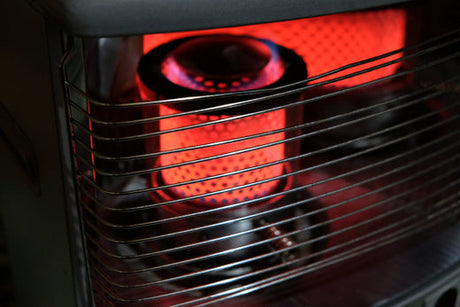
Gas heaters have become a crucial component of several residences, providing an economical heating solution. They outshine electric heating systems by warming premises swiftly and effectively, making them more desirable...
Brandix Soft |